What Is an Air Source Heat Pump?
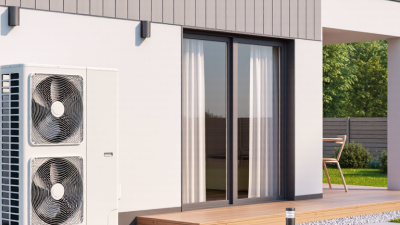
On a cold morning, an air source heat pump can draw heat from outdoor air and move it indoors. It uses a compressor and refrigerant to transfer that heat, rather than creating warmth by burning fuel. The outdoor unit may sit beside a house, humming softly as air passes across its coil. Inside, the system can warm rooms through radiators, underfloor heating, or a ducted air handler. In summer, many models can reverse direction and provide cooling. The basic idea is simple. The details matter.
Air Source Heat Pumps work best when their design matches the building. Insulation, radiator size, local climate, and installation quality can all affect comfort and running costs. An older home may need adjustments before the system performs well. That part is sometimes glossed over. The International Energy Agency’s Fatih Birol has described heat pumps as “a central technology in the global transition to secure and sustainable heating.” The phrase captures their promise, but a heat pump is not a universal fix. A careful assessment should consider the home’s heat loss, the available outdoor space, noise, and electricity use. This guide explains how the technology works, what its main components do, and what homeowners should weigh before choosing a system. It also looks at limitations, because practical advice should include those too. A quiet, well-sized unit can feel almost uneventful. That is often the point.
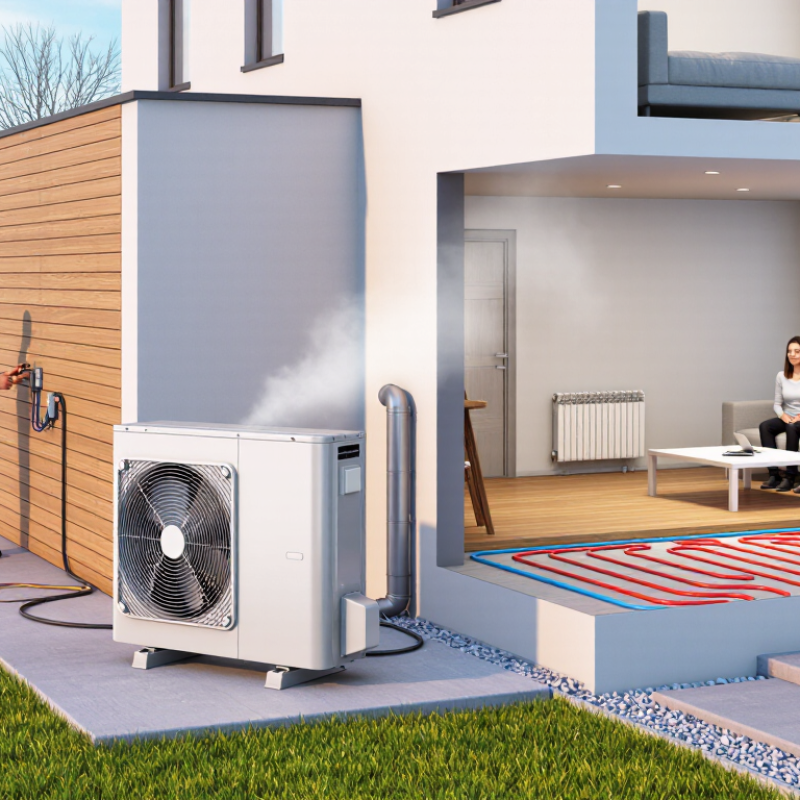
An air source heat pump moves heat between the outdoor air and your home. In heating mode, a refrigerant absorbs heat outside, even when the air feels cold. A compressor raises the refrigerant’s temperature, and an indoor coil releases that heat into the room. It transfers heat rather than producing it through combustion. That distinction matters.
Many systems can also provide cooling by reversing the process. Their performance depends on outdoor temperatures, equipment sizing, and how well a home holds heat. On a frosty morning, the unit may run longer or briefly pause to defrost its outdoor coil. That can be normal. Still, real-world results vary, and a poorly matched system may struggle to keep rooms comfortable. I used to think the equipment alone explained efficiency; insulation and installation matter just as much.
Tips: Ask for a room-by-room heat-loss assessment before choosing a system. Check whether your existing radiators or ductwork can deliver heat effectively. Keep leaves and snow clear of the outdoor unit, but leave service work to a qualified technician.
What Is an Air Source Heat Pump?
How an Air Source Heat Pump Transfers Heat
An air source heat pump moves heat rather than creating it through fuel combustion. In heating mode, a fan draws outdoor air across a coil containing refrigerant. Even on a chilly day, that air holds usable heat. The refrigerant absorbs it and changes from liquid to vapor. A compressor squeezes the vapor, raising its temperature. Inside, another coil transfers warmth to circulating indoor air. The refrigerant cools, returns to liquid, and repeats the loop. That is the key.
This exchange may feel less dramatic than a furnace; warm air can arrive at a gentler temperature. Performance varies with outdoor weather, insulation, and system sizing. In damp, freezing conditions, frost can collect on the outdoor coil. A defrost cycle briefly reverses heat flow to clear it, sometimes causing a pause or a puff of vapor. That alone does not mean something is wrong.
Tips: Keep leaves and snow away from the outdoor coil, but do not block airflow. Set a steady temperature instead of making frequent, large adjustments. If rooms stay cold or ice remains, ask a qualified technician to check airflow and controls.
An air source heat pump moves heat from outdoor air indoors. In this illustrative example, 1 kWh of electricity helps transfer 2 kWh of heat from the air, delivering 3 kWh of heat indoors. Actual performance varies with conditions and system design.
What Is an Air Source Heat Pump?
The Main Components of an Air Source Heat Pump
An air source heat pump transfers heat between outdoor air and a building. Its outdoor coil, often called the evaporator during heating, absorbs heat from the air. A fan draws air across the coil; on a cold morning, you may hear it run steadily. The refrigerant carries absorbed heat onward. Even chilly air contains usable heat.
The compressor raises the refrigerant’s pressure and temperature. It is a key energy user, so its condition affects performance. Inside, a coil releases heat into the home’s air or water system. An indoor fan moves warm air through ducts, while some systems circulate heated water instead. Small parts matter, too. An expansion valve reduces refrigerant pressure before the cycle repeats.
A reversing valve changes refrigerant direction, allowing many units to provide cooling as well as heating. Sensors and controls monitor temperatures and adjust operation. In damp, freezing weather, a defrost cycle may briefly warm the outdoor coil to clear frost. The system can sound different during that process. Diagrams make these components look neatly separate, but real equipment varies, and installation details can affect how they work together.
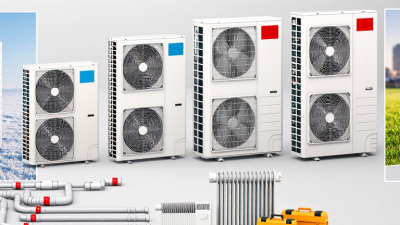
Air source heat pumps draw heat from outdoor air and transfer it indoors. Their type depends largely on how they deliver that heat. Air-to-air models warm rooms by moving heated air through ducts or indoor wall units. They can also provide cooling in warm weather. Air-to-water models heat water for radiators, underfloor systems, or a hot-water tank. They suit homes with hydronic heating, but existing pipework and radiator sizes can affect performance.
Some air-to-air systems use ducts, while others use one or more indoor units connected to an outdoor unit. A single-zone setup serves one area; a multi-zone system serves several rooms. Air-to-water systems may be monobloc or split designs. In a monobloc, key components sit outdoors; a split design connects outdoor and indoor units with refrigerant lines. Details vary by system. The best fit depends on insulation, local winter temperatures, available space, and how the home is heated now. A poor match can leave rooms unevenly warm, even when the equipment is working.
Tips: Check whether your home has ducts, radiators, or underfloor heating before comparing types. Ask an installer to assess heat loss and existing emitters. It is easy to overlook one cold room. Don’t guess the system size.
An air-source heat pump moves heat between outdoor air and a home. Its performance depends partly on the temperature difference it must overcome. In milder weather, it generally needs less electricity to deliver heat. During cold spells, output can fall and defrost cycles may briefly interrupt heating. Weather matters.
The home matters just as much. Good insulation, sealed drafts, and clear airflow around the outdoor unit help it work steadily. Correct sizing is essential: an undersized unit may struggle on cold days, while an oversized one can cycle inefficiently. A qualified installer should assess room-by-room heat loss, not rely on floor area alone. A tidy efficiency rating cannot tell the whole story.
Heat pumps can suit well-insulated homes in many climates, especially where occupants want steady, lower-temperature heating. They may also provide hot water, depending on the system design. In an older home with small radiators, the installer should check whether those radiators can heat rooms effectively at lower water temperatures. Upgrades may be needed. That takes planning. Homes with high heat loss may benefit from insulation improvements before installation. Outdoor-unit placement also matters; leave space for airflow and consider noise near bedrooms or neighboring windows. Real performance varies with local weather, installation quality, and how the home is used.
| Factor | Typical data or operating condition | Effect on performance | Suitable uses and practical considerations |
|---|---|---|---|
| How it works | An air source heat pump transfers heat between outdoor air and a home using a refrigerant cycle. Reversible models can also provide cooling. | It moves heat rather than generating all heat directly from electricity. Its efficiency is commonly expressed as a coefficient of performance (COP): heat delivered divided by electricity used. | Suitable for homes needing space heating, and for some systems, cooling or domestic hot water. Confirm whether the chosen system provides all required functions. |
| Outdoor temperature | Heat pumps can operate in cold weather, but available heat and heating capacity generally decrease as outdoor air gets colder. The exact operating range depends on the system design. | Colder air usually means the unit must work harder. Capacity and efficiency at the local winter design temperature matter more than a mild-weather rating alone. | Useful in a wide range of climates when correctly selected. In colder regions, check low-temperature capacity and whether backup heat is needed for peak conditions. |
| Efficiency (COP) | Heating COP varies with outdoor temperature, indoor temperature, water or air delivery temperature, and equipment. A COP of 3 means 3 units of heat delivered per unit of electricity at that operating point. | A single COP figure does not describe performance throughout a season. Seasonal ratings and performance data at relevant temperatures give a more useful comparison. | Compare seasonal performance and cold-weather data for the local climate. Actual energy use also depends on controls, installation, and the building’s heat demand. |
| Heating system temperature | Hydronic systems designed to deliver heat at roughly 30–45°C can often work well with heat pumps. Some existing radiator systems may require higher temperatures, especially in cold weather. | Lower delivery temperatures generally allow more efficient operation. Raising the required water temperature typically reduces efficiency. | Often well suited to underfloor heating and appropriately sized radiators. Check heat output at the intended water temperature before reusing existing emitters. |
| Heat emitters and airflow | Hydronic units distribute heat through radiators or underfloor loops; air-to-air units deliver heat through indoor fan-coil units. Emitter capacity must match room heat loss. | Undersized emitters may require higher temperatures or longer operation to maintain comfort, which can reduce efficiency. | Suitable for new systems and many retrofit projects. A room-by-room heat-loss assessment helps determine whether radiators, fan coils, or other emitters need adjustment. |
| Building insulation and air leakage | Heat loss increases with poor insulation, draughts, and a large indoor–outdoor temperature difference. | Higher heat loss requires more heating capacity and can increase running costs. Improvements to the building envelope can reduce the required system size and heat delivery. | Works in both older and newer homes, but insulation and draught reduction are especially useful in homes with high heat demand. |
| System sizing | Capacity should be based on calculated building heat loss at the local winter design temperature, not floor area alone. | An undersized unit may rely more on supplemental heat; an oversized unit may cycle frequently in mild weather unless its output can modulate appropriately. | Ask for a documented heat-loss calculation and confirm the unit’s capacity across the expected outdoor temperature range. |
| Defrost and outdoor conditions | In cool, humid weather, frost can form on the outdoor coil. Many systems periodically reverse or otherwise adjust operation to remove it. | Defrost uses energy and temporarily interrupts or reduces heat delivery. Poor airflow or blocked drainage can further affect operation. | Allow clear airflow around the outdoor unit and provide suitable drainage. Installation location should account for snow, leaves, and service access. |
| Domestic hot water | Some air-to-water systems can heat a hot-water cylinder. Hot-water production generally requires higher temperatures than low-temperature space heating. | Higher water temperatures can lower efficiency; system controls may schedule hot-water heating separately from space heating. | Suitable where a compatible cylinder and controls can be installed. Check hot-water capacity, recovery time, and any required supplementary heating. |
| Noise and installation location | The outdoor unit contains a fan and compressor, so it produces sound while operating. Sound levels vary by model, operating condition, and distance. | Close placement near windows or reflective surfaces can make noise more noticeable. Restricted airflow can also impair operation. | Plan a location with adequate airflow, service access, and consideration for nearby rooms and neighbours; follow local noise and installation requirements. |
Note: Figures and operating ranges are general guidance, not a guarantee for a particular installation. Verify performance using the system’s technical data at the required outdoor and delivery temperatures.