Leave Your Message
AI Helps Write

China Top 10 Food Dehydrator Machine Manufacturers

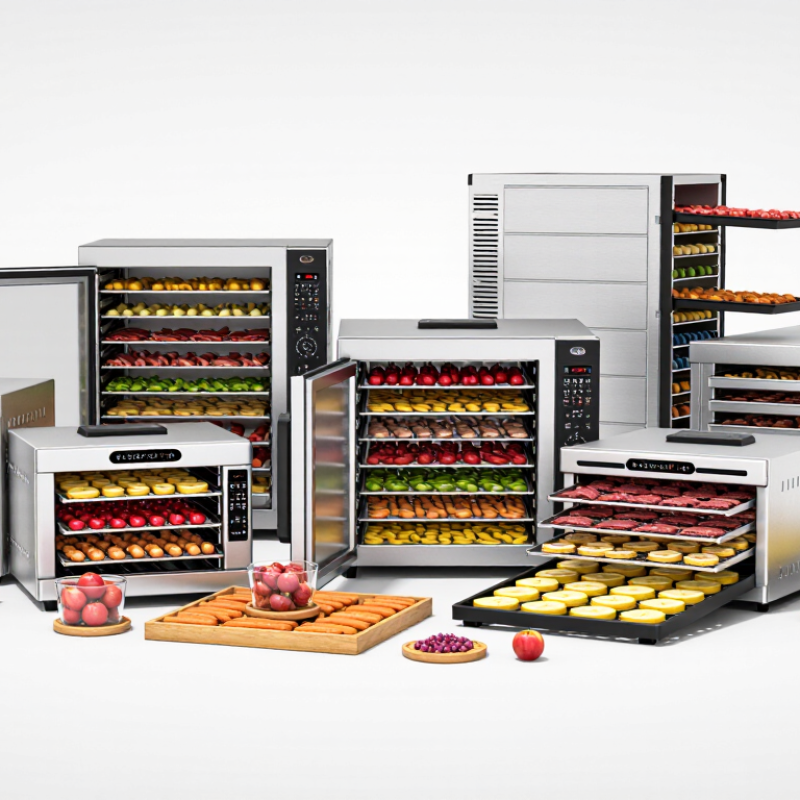
The China Top 10 Food Dehydrator Machine Manufacturers represent a growing manufacturing sector shaped by food safety, energy efficiency, and practical processing needs. Chinese suppliers now produce compact household units, stainless-steel commercial systems, and large industrial dryers for fruit, vegetables, herbs, meat, and prepared ingredients. Their machines may look similar, but performance can differ sharply.

Food safety specialist Dr. Elizabeth L. Andress has noted, “Drying is one of the oldest methods of preserving food.” That simple observation still matters. A reliable Food Dehydrator Machine must remove moisture evenly, maintain stable heat, and support easy cleaning. In a factory, this may mean adjustable airflow, insulated chambers, removable trays, and digital temperature controls. Small details matter. Wet corners can spoil a good batch.

This overview examines ten leading Chinese manufacturers through product range, drying capacity, temperature accuracy, materials, certifications, after-sales support, and export experience. It also considers customization, since a berry processor needs different airflow than a meat producer. Some companies excel in engineering, while others compete through lower prices or faster delivery. No ranking is flawless. Published specifications may not reveal noise levels, energy consumption, or real cleaning difficulty. Buyers should request test samples, factory videos, and performance data before making a decision.

The strongest manufacturers combine solid design with dependable communication. Their machines should protect product quality without creating unnecessary operating complexity. Practical evidence matters more than impressive brochures.
China Top 10 Food Dehydrator Machine Manufacturers

What Is a Food Dehydrator Machine and How Does It Work?

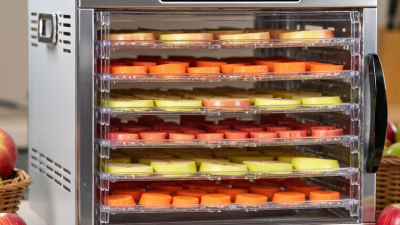
A food dehydrator machine removes moisture from food through controlled heat and moving air. It usually contains a heating element, fan, trays, and adjustable temperature controls. Warm air passes over sliced fruit, vegetables, herbs, or meat, while moisture slowly escapes through vents.

The process is gentle, but it is not careless. Thin, evenly cut pieces dry more consistently than thick chunks. Most foods dehydrate between 35°C and 70°C, depending on their water content and texture. Herbs need lower heat, while meat requires careful preparation and a safe internal temperature before drying. A kitchen thermometer improves reliability because the displayed setting may not match the actual tray temperature.

Airflow matters as much as heat. Overloaded trays can block circulation and leave soft areas in the center. Rotate trays when necessary. Check texture after cooling, not immediately after removal. Warm food often feels softer than it really is. I have found that rushing this check creates disappointing batches. Too much heat can harden the outside while moisture remains inside. That mistake is easy to miss. Storage also affects quality, so dried food should cool completely before entering clean, airtight containers. Condensation inside the container signals that more drying may be needed.
Key Criteria for Evaluating Chinese Food Dehydrator Manufacturers

China Top 10 Food Dehydrator Machine Manufacturers

Key Criteria for Evaluating Chinese Food Dehydrator Manufacturers

The market needs more than attractive catalog photos. The UNEP Food Waste Index Report 2024 estimates that 1.05 billion tonnes of food were wasted in 2022. Drying equipment can reduce losses, but only when temperature, airflow, and hygiene remain stable throughout production.

Ask manufacturers for batch records, not only brochures. A serious supplier should provide drying curves, chamber temperature maps, airflow readings, and final moisture or water activity results. Product requirements differ. Fruit slices, herbs, meat, and seafood cannot share one simple setting. Request a trial using your actual raw materials. Observe color, texture, shrinkage, and cleaning time.

Small details matter.

Check stainless-steel welds, door seals, drain design, insulation, and controller calibration. Confirm whether the heating system supports even loading or creates hot and cold zones. ISO 22000-based food safety controls and documented traceability improve confidence, while alignment with Codex hygiene principles supports safer plant design. Ask for electrical certificates and local service response times before comparing prices.

A low quote can mislead. I would question unusually high capacity claims, especially when they lack drying-cycle evidence. The FAO reports that 13.2% of food was lost globally before retail in 2021, showing the value of dependable preservation. Still, energy use deserves attention. Compare kilowatt-hours per kilogram of finished product, not just machine purchase cost. Real factory references are useful, but independent testing remains stronger evidence.

China Top 10 Food Dehydrator Machine Manufacturers - Key Criteria for Evaluating Chinese Food Dehydrator Manufacturers

No. Evaluation Dimension What to Verify Practical Benchmark Recommended Evidence Suggested Weight
1 Dehydration Capacity Rated batch capacity, usable tray area, loading method, and expected throughput. Capacity should match the buyer’s daily production volume, product thickness, and target moisture level rather than only the advertised chamber volume. Technical datasheet, production test report, tray dimensions, and sample-load video. 15%
2 Temperature Control Operating temperature range, controller accuracy, sensor location, and temperature stability. A suitable food dehydrator commonly supports low-temperature drying for herbs and fruit, with adjustable control and stable air temperature across the chamber. Calibration records, controller specifications, and temperature-mapping results at multiple tray positions. 12%
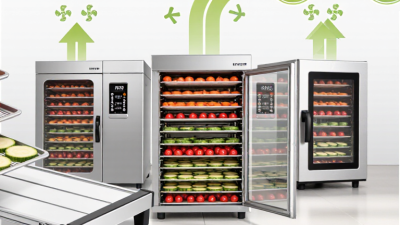
3 Airflow Uniformity Fan arrangement, airflow direction, tray spacing, and drying consistency between upper and lower trays. Uniform airflow should minimize over-drying at air inlets and under-drying at remote areas, reducing the need for frequent tray rotation. Airflow diagram, commissioning report, and comparative moisture results from different tray levels. 12%
4 Food-Contact Materials Internal chamber, trays, racks, seals, and fasteners that may contact food or condensate. Food-contact surfaces should be corrosion-resistant, smooth, non-toxic, and easy to clean; stainless steel is commonly preferred for commercial equipment. Material declarations, surface-finish information, weld photographs, and food-contact compliance documents where applicable. 12%
5 Electrical Safety and Compliance Rated voltage, frequency, power consumption, grounding, overload protection, and export-market requirements. The machine should be configured for the destination country and supplied with appropriate electrical protection, wiring documentation, and conformity records. Wiring diagram, inspection report, nameplate photo, declaration of conformity, and applicable test certificates. 10%
6 Energy Efficiency Heater rating, insulation quality, drying time, standby consumption, and energy used per batch. Compare energy consumption per kilogram of finished product under the same food type, loading weight, starting moisture, and final moisture conditions. Measured power-consumption log, insulation specification, and standardized drying trial. 10%
7 Hygienic Design and Cleanability Drainage, removable trays, corner design, access for cleaning, and prevention of product residue accumulation. The chamber should have minimal difficult-to-clean gaps, accessible internal parts, removable food-contact components, and a documented cleaning procedure. Cleaning and sanitation SOP, internal photographs, maintenance access review, and inspection checklist. 9%
8 Customization and Manufacturing Capability Ability to customize capacity, tray size, voltage, controls, insulation, airflow, and machine configuration. A capable manufacturer should provide engineering drawings, controlled change management, sample testing, and repeatable production for customized orders. Factory audit, production photographs, engineering-change records, sample approval process, and quality-control plan. 8%
9 Quality Assurance and Reliability Incoming-material inspection, assembly checks, final testing, spare-parts availability, and failure-response procedures. The supplier should use documented quality procedures and test every finished unit for heating, airflow, controls, electrical safety, and leakage where relevant. Quality manual, final inspection checklist, test records, spare-parts list, and corrective-action examples. 7%
10 Commercial Terms and After-Sales Support Lead time, warranty, installation support, training, packaging, payment terms, delivery responsibilities, and technical response time. The quotation should clearly define specifications, acceptance criteria, warranty coverage, spare parts, delivery terms, and responsibilities after installation. Formal quotation, sales contract, warranty terms, service-level commitment, packing list, and reference-project feedback. 5%
Total Evaluation Weight 100%

China’s Top 10 Food Dehydrator Machine Manufacturers

China’s Top 10 Food Dehydrator Machine Manufacturers should be judged by evidence, not factory photos or search rankings. A practical review starts with drying uniformity, temperature stability, airflow design, food-contact materials, sanitation, and after-sales testing. The 2024 Food Waste Index Report from UNEP estimated 1.05 billion tonnes of food were wasted globally in 2022. Better dehydration cannot solve waste alone. It can extend shelf life for fruits, vegetables, herbs, and meat ingredients when process controls are reliable.

For China’s top ten manufacturers, buyers should compare measurable performance rather than advertised capacity. Useful indicators include energy consumption per kilogram of removed water, moisture deviation between trays, chamber recovery time, and batch throughput. The FAO Food Loss Index 2023 reported that 13.2% of food was lost globally between harvest and retail in 2021. This data strengthens the case for efficient preservation equipment, especially near farms and processing centers. However, energy claims often lack consistent testing conditions. That weakness deserves attention.

Real factory evaluation reveals practical details. Check welded corners, door seals, tray spacing, drainage points, and controller records. A stainless-steel chamber may look impressive, yet poor airflow can leave banana slices soft in the center. Independent testing is valuable. So are maintenance logs and sample batches. A ranking is never perfect. Smaller manufacturers may offer stronger customization, while larger facilities may provide steadier documentation. The best selection process should record actual drying results, not merely brochure specifications.

Product Features, Technologies, and Industry Applications

China Top 10 Food Dehydrator Machine Manufacturers

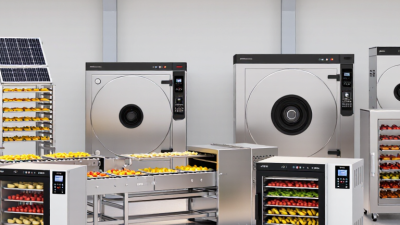
China’s leading food dehydrator machine manufacturers offer equipment for fruit, vegetables, herbs, meat, and prepared foods. Common systems use stainless steel chambers, adjustable airflow, and digital temperature controls. Some models operate between 35°C and 90°C, supporting delicate herbs and denser produce. Drying quality depends on more than heat. Slice thickness, loading density, humidity, and air velocity also matter.

Modern machines may include heat-pump recovery, PLC control, humidity sensors, and multi-stage drying programs. Heat-pump systems can reduce energy loss by recycling warm air.

Vacuum drying helps protect color and aroma in selected products. Microwave-assisted systems may shorten processing time, but they require careful calibration. Testing matters.

A reliable manufacturer should provide trial drying, material testing, calibration records, and clear operating instructions.

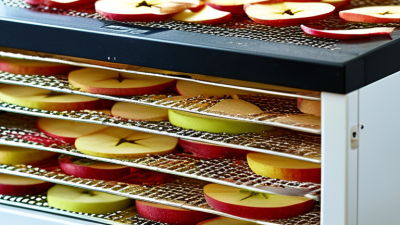
In practical production, operators often inspect apple slices after several hours. The center should feel flexible, not wet or brittle. Uneven trays reveal weak airflow or excessive loading. This is where many projects become less perfect than expected. Even advanced equipment cannot correct poor preparation.

Buyers should compare stainless steel grade, insulation thickness, cleaning access, spare-part support, and after-sales response. Food processors should also verify sanitation procedures and validate moisture targets for each product.

The best choice is not always the largest machine. It is the system that matches the recipe, factory space, labor skills, and energy budget.

How to Choose the Right Chinese Food Dehydrator Supplier

China Top 10 Food Dehydrator Machine Manufacturers

How to Choose the Right Chinese Food Dehydrator Supplier

Choosing a Chinese food dehydrator supplier requires more than comparing online prices. Review the manufacturer’s production experience, factory capacity, and export history. Ask for clear specifications, including drying temperature, airflow, tray size, power consumption, and daily output. Food-contact surfaces should use suitable stainless steel, with smooth welds and easy-clean corners. Small details matter.

Request sample testing with your own fruit, vegetables, herbs, or meat alternatives. Compare drying uniformity, color retention, moisture levels, and batch time. A reliable supplier should explain temperature control and provide maintenance instructions. Check electrical compatibility for your destination market. Ask for inspection records, material certificates, and relevant compliance documents from recognized testing bodies. Do not rely on polished videos alone.

Tips: Contact at least three suppliers. Request a live factory video call. Confirm spare parts availability and warranty response times. Ask whether software settings can be adjusted for different products. A written contract should define delivery terms, acceptance standards, packaging, and after-sales support. One overlooked issue is noise; request measured noise data before ordering. Cheap equipment may appear efficient, but unstable airflow can increase labor and waste. Even experienced buyers sometimes miss this during a rushed purchase.

China Food Dehydrator Supplier Selection Guide

Representative specifications commonly used when evaluating commercial food dehydrator manufacturers

Commercial food dehydrators are typically assessed by temperature range, batch capacity, power demand, drying-cycle flexibility, and warranty coverage. These representative figures provide a practical baseline for comparing Chinese suppliers without relying on individual company or brand data.